
Key Takeaways
- Bloating can occur alongside EPI, although it has many possible causes.
- EPI affects the pancreas’s ability to produce digestive enzymes.
- Changes in digestion may contribute to gastrointestinal symptoms.
- Bloating alongside other persistent digestive symptoms should be discussed with a healthcare professional.
- Nutrition education can help people better understand the relationship between food and digestion.
- Eligible patients may be able to access nutrition counseling through My EPI Plan.
Bloating is a common digestive complaint, but if you live with Exocrine Pancreatic Insufficiency (EPI), you may wonder whether your pancreatic function could be contributing to the way you feel after eating.
EPI affects the body’s ability to produce enough pancreatic digestive enzymes to properly break down food. Changes in digestion can be associated with symptoms such as bloating, gas, changes in bowel habits, and other digestive concerns.
Understanding the connection between EPI, digestion, and nutrition can help you have more informed conversations with your healthcare team. Resources such as My EPI Plan can also provide eligible patients with nutrition-focused education to help them better understand digestive health and make informed nutrition decisions.
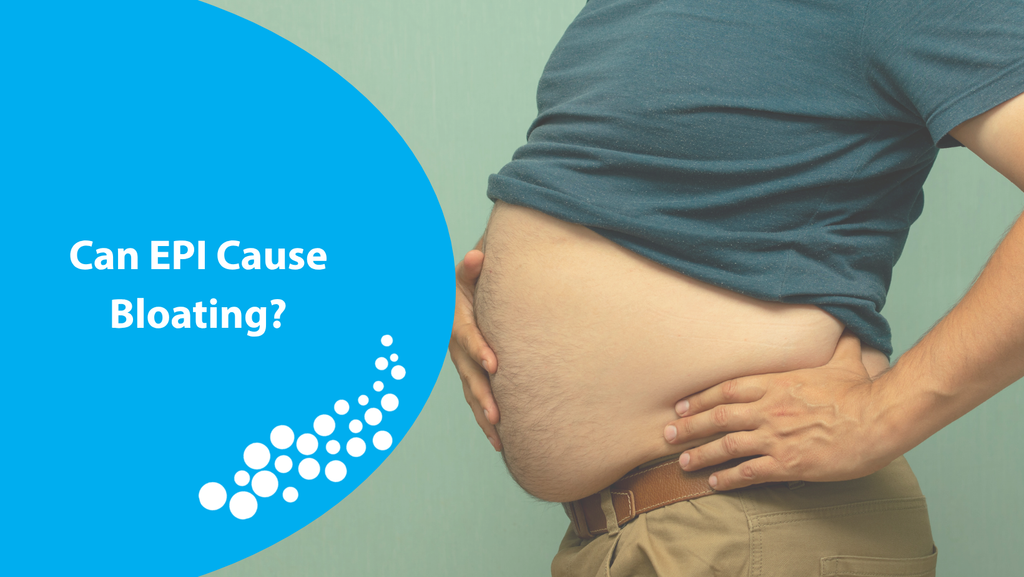
Can EPI Cause Bloating?
Bloating can occur in people with EPI, although it is not specific to EPI and can have many possible causes.
When digestion is affected, food may not be broken down and absorbed normally. Changes in digestion can contribute to gastrointestinal symptoms, including bloating and gas.
However, bloating alone does not mean someone has EPI. Other digestive conditions, dietary factors, medications, and lifestyle factors can also contribute to bloating.
If you’re experiencing ongoing bloating, particularly alongside other digestive symptoms, consider discussing it with your healthcare provider.
What Does EPI Bloating Feel Like?
Bloating can feel different from person to person.
Some people describe:
- A feeling of fullness or pressure
- Abdominal swelling or distension
- Increased gas
- Discomfort after meals
- Feeling unusually full
- Changes in bowel habits
Keeping track of when symptoms occur may help you identify patterns to discuss with your healthcare team.
Bloating May Occur Alongside Other EPI Symptoms
Bloating isn’t necessarily an isolated symptom.
People experiencing digestive problems may also notice:
- Gas
- Diarrhea
- Greasy or oily stools
- Abdominal discomfort
- Unintended weight loss
- Fatigue
- Changes in bowel habits
These symptoms can have many causes and are not enough on their own to diagnose EPI.
If you are experiencing multiple persistent digestive symptoms, talk with your healthcare provider about what you’re experiencing.
You can also explore educational resources such as My EPI Plan to learn more about digestion and nutrition.
How Nutrition Education Can Help
Understanding nutrition doesn’t mean following a one-size-fits-all diet.
Instead, nutrition education can help you understand how food, digestion, and overall health are connected.
A registered dietitian may provide education related to:
- Meal planning
- Balanced nutrition
- Understanding food labels
- Nutrient intake
- Digestive symptoms
- Food and symptom tracking
- Questions to discuss with your healthcare provider
For eligible patients, My EPI Plan offers access to nutrition-focused counseling with a registered dietitian, providing an opportunity to discuss individualized nutrition questions and strategies.
Take the Next Step with My EPI Plan
If you’re living with EPI and want to learn more about nutrition and digestive health, My EPI Plan may be able to help.
Eligible patients may qualify for up to 3 hours of complimentary counseling with a registered dietitian, providing personalized nutrition education and support.
Visit the My EPI Plan program page to learn more about the program, what it offers, and whether you meet the eligibility requirements.