Key Takeaways
- EPI can contribute to unintended weight loss by interfering with digestion and nutrient absorption.
- Malabsorption can make it more difficult for the body to obtain enough nutrients from food.
- Weight loss may occur alongside symptoms such as diarrhea, greasy stools, bloating, and abdominal discomfort.
- PERT can help support digestion when prescribed for EPI.
- A registered dietitian can provide individualized nutrition education.
- Eligible patients may qualify for nutrition counseling through My EPI Plan.
Can EPI Cause Weight Loss?
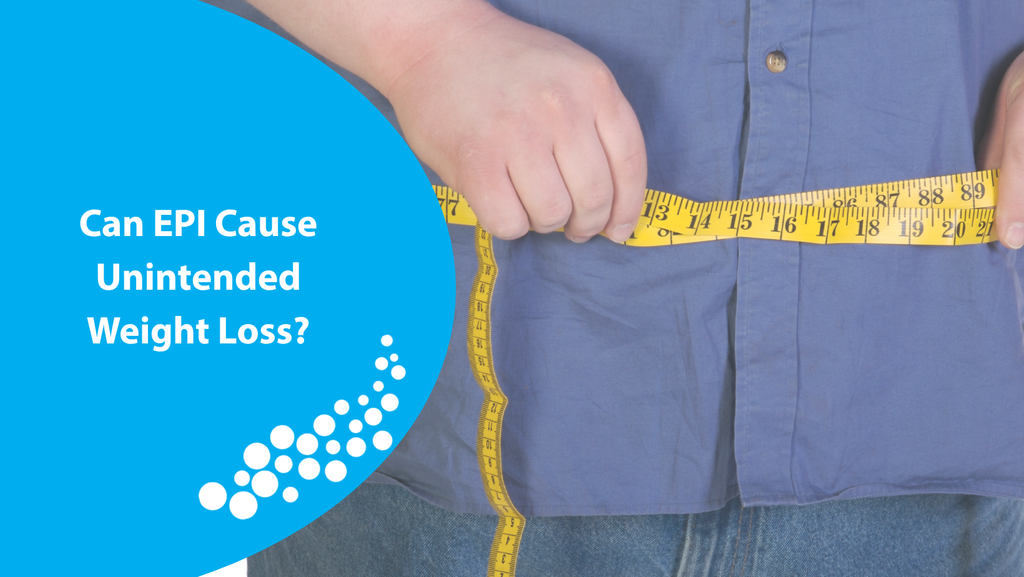
Yes, EPI can contribute to weight loss.
Exocrine Pancreatic Insufficiency (EPI) occurs when the pancreas doesn’t produce or release enough digestive enzymes to properly break down food. When food isn’t adequately digested, the body may have difficulty absorbing nutrients.
This can contribute to unintended weight loss in some people with EPI.
Weight loss can also have many other causes, however. If you’re losing weight without trying, it’s important to discuss it with your healthcare provider rather than assuming EPI is the cause.
Understanding the connection between EPI, digestion, and nutrition can help you have a more informed conversation with your healthcare team.
Does Treating EPI Help With Weight Loss?
When EPI is contributing to malabsorption, treating the condition may help improve digestion and nutrient absorption.
The primary treatment for EPI is pancreatic enzyme replacement therapy (PERT).
PERT provides digestive enzymes that help break down food so nutrients can be absorbed.
Your healthcare provider will determine whether PERT is appropriate for you and provide instructions about how to take it.
If you’re already taking PERT but continue to lose weight or experience digestive symptoms, talk with your healthcare provider. Your treatment plan may need to be reassessed, or another cause may need to be considered.
When Is Weight Loss a Concern?
Unintentional weight loss should always be discussed with a healthcare professional, particularly if it is persistent or accompanied by other symptoms.
Talk with your healthcare provider if you’re experiencing:
- Ongoing or unexplained weight loss
- Persistent diarrhea
- Greasy or oily stools
- Significant bloating
- Abdominal discomfort
- Fatigue or weakness
- Difficulty maintaining adequate nutrition
- Signs of possible vitamin or nutrient deficiencies
Your healthcare provider can determine whether additional testing is appropriate.
Can EPI Cause Weight Gain Instead?
EPI is most commonly discussed in connection with malabsorption and unintended weight loss, but changes in body weight can have many causes.
If your weight is changing unexpectedly in either direction, talk with your healthcare provider.
Your weight alone cannot determine whether you have EPI or whether your EPI treatment is working.
What Role Does Nutrition Play in EPI-Related Weight Loss?
Nutrition is an important part of managing EPI.
Someone experiencing unintended weight loss may need to pay particular attention to getting enough calories, protein, vitamins, minerals, and other nutrients.
However, this doesn’t necessarily mean following a restrictive diet.
Your nutritional needs depend on factors such as:
- The severity of your EPI
- Your symptoms
- Your current nutritional status
- Your underlying health condition
- Your treatment plan
- Other medical conditions
A registered dietitian can help develop an individualized nutrition approach.
How Can a Dietitian Help With EPI and Weight Management?
Managing EPI can raise practical questions about food and nutrition.
You may wonder:
- How much should I be eating?
- How can I maintain my weight?
- Am I getting enough protein?
- Should I change my fat intake?
- Do I need vitamin supplements?
- How can I manage digestive symptoms while maintaining adequate nutrition?
A registered dietitian can provide individualized nutrition education based on your health needs and treatment plan.
My EPI Plan is designed to provide eligible patients with access to nutrition-focused counseling with a registered dietitian. Eligible patients may qualify for up to 3 hours of complimentary counseling to support understanding and incorporating positive nutritional decisions into their daily routine.
Nutrition counseling can help you better understand how digestion, food choices, and your EPI treatment plan work together.