
What Is Exocrine Pancreatic Insufficiency (EPI)?
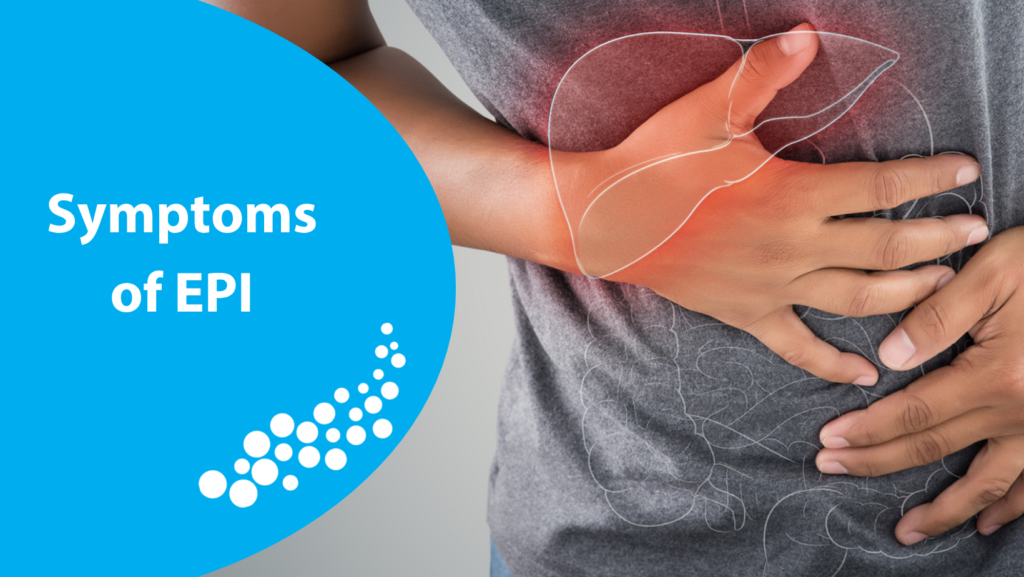
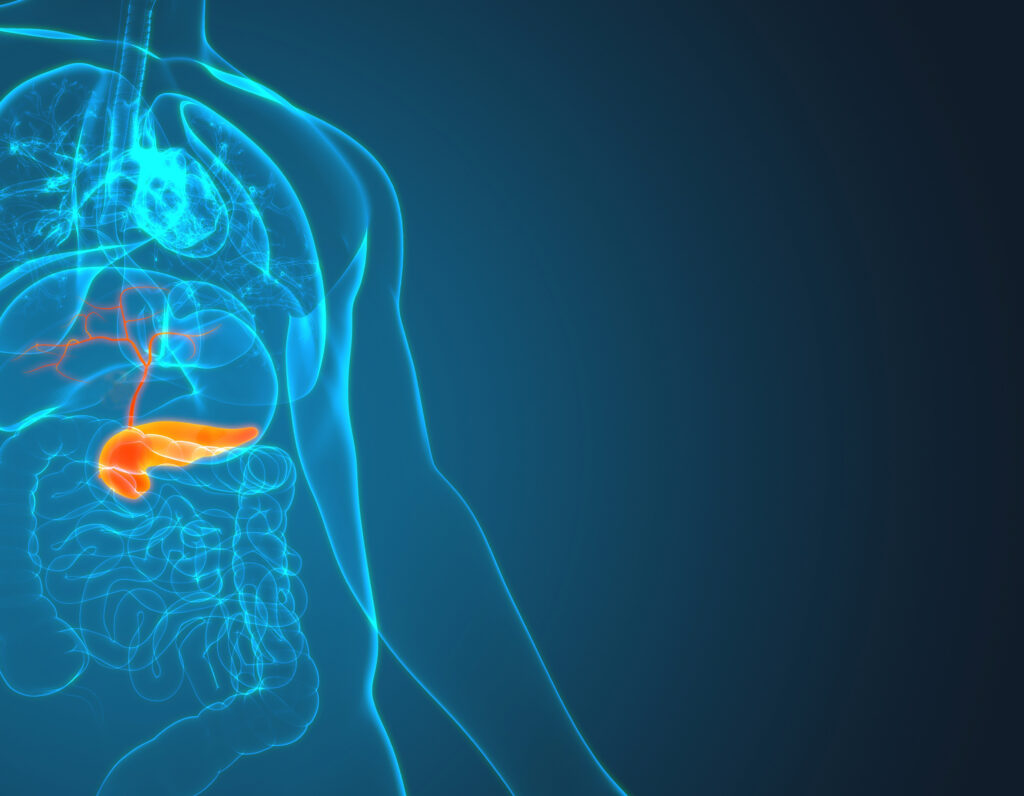
Exocrine Pancreatic Insufficiency (EPI) is a condition in which the pancreas does not produce enough digestive enzymes to properly break down food.
These enzymes are essential for digesting fats, proteins, and carbohydrates. When enzyme levels are insufficient, the body may have difficulty absorbing nutrients effectively.
EPI is commonly associated with conditions like Chronic Pancreatitis, where long-term inflammation can affect how the pancreas functions over time.
Why Symptoms of EPI Can Be Easy to Miss
One of the challenges with EPI is that its symptoms can overlap with other digestive issues.
Many people may initially attribute symptoms to:
- General digestive discomfort
- Food sensitivities
- Stress or lifestyle factors
Because of this, symptoms may go unrecognized or be considered “normal” over time.
Common Symptoms of EPI
While experiences can vary, several symptoms are commonly associated with EPI:
1. Bloating and Gas
Frequent bloating or excess gas after meals may occur when food is not fully broken down during digestion.
2. Changes in Stool
Some people may notice:
- Loose stools
- Pale or oily stools
- Stools that are difficult to flush
These changes may be related to how fats are processed in the body.
3. Unintended Weight Loss
When nutrients are not fully absorbed, the body may not receive the energy it needs, which can contribute to weight changes.
4. Fatigue or Low Energy
Nutrient absorption plays an important role in energy levels. When digestion is affected, some individuals may feel more fatigued than usual.
5. Difficulty Digesting Fatty Foods
Meals that are higher in fat may feel harder to digest, sometimes leading to discomfort after eating.
The Link Between EPI and Chronic Pancreatitis
EPI is frequently seen in people living with Chronic Pancreatitis.
Over time, chronic inflammation can impact the pancreas’ ability to produce and deliver digestive enzymes effectively.
In fact, research suggests that a significant percentage of individuals with Chronic Pancreatitis may develop EPI as the condition progresses.
When to Pay Attention to Symptoms
Experiencing one of these symptoms occasionally may not always indicate a specific condition.
However, patterns may be worth noting, especially if symptoms:
- Occur frequently
- Persist over time
- Affect daily comfort or routine
Tracking changes in digestion and how your body responds to different foods can be a helpful first step.
Understanding What Your Body Is Telling You
Digestive symptoms can sometimes feel unpredictable or difficult to explain.
In some cases, they may be related to how the body breaks down and absorbs nutrients, particularly when enzyme levels are affected.
Learning more about conditions like EPI can help provide context for these experiences.
Exploring Support for Digestive Health
For individuals living with digestive conditions, understanding nutrition and digestion may play an important role in overall health.
Some patients may be eligible for additional educational and nutrition support resources designed to help them better understand digestive health and nutrition considerations.
Learn more about available support here.