Key Takeaways
- Unintentional weight loss can have many causes, including some digestive conditions.
- EPI may affect digestion and nutrient absorption.
- Digestive enzymes play an important role in helping the body absorb nutrients.
- Persistent digestive symptoms should be discussed with a healthcare professional.
- Nutrition education can help individuals better understand digestive health.
Why Weight Loss Can Be an Important Digestive Health Clue
Unintentional weight loss can happen for many different reasons.
While changes in diet, activity level, and other medical conditions may contribute, digestive health can also play an important role.
Understanding how digestion and nutrient absorption work may help explain why some digestive conditions are associated with changes in body weight.
How Digestion Supports Healthy Body Weight
Your body depends on digestion to break food into nutrients that can be absorbed and used for energy, growth, and repair.
Digestive enzymes produced by the pancreas help break down:
- Fats
- Proteins
- Carbohydrates
When digestion is working normally, these nutrients can be absorbed through the small intestine and used by the body.
Can EPI Be Associated with Weight Loss?
Exocrine Pancreatic Insufficiency (EPI) can affect digestion because the pancreas does not produce enough digestive enzymes to efficiently break down food.
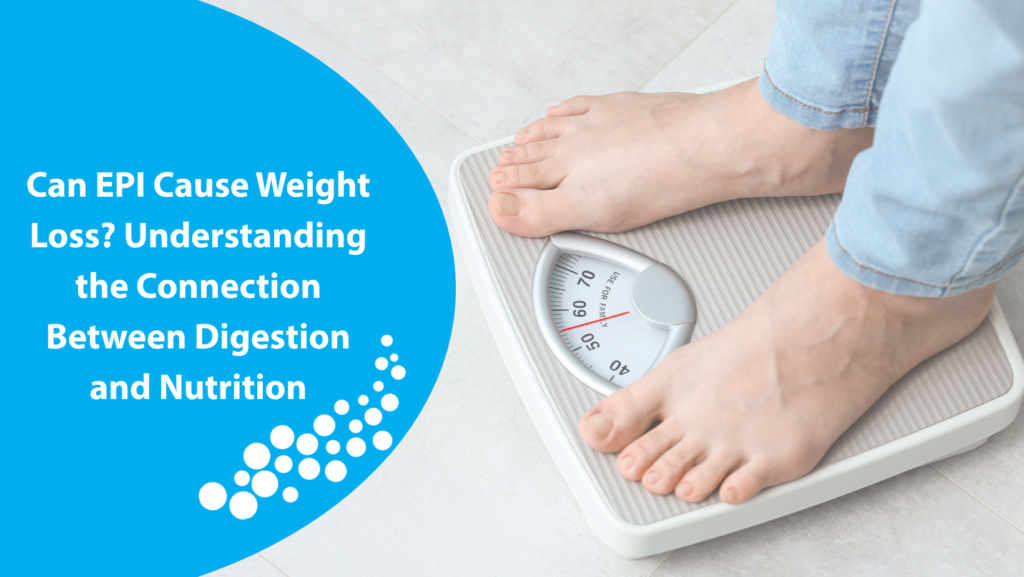
As a result, some individuals may experience difficulty absorbing nutrients, particularly dietary fats. This may contribute to unintended weight loss in some people, although many other conditions can also cause weight loss.
Because unexplained weight loss has many possible causes, it is important to seek evaluation from a healthcare professional rather than self-diagnose.
Other Symptoms That May Occur Alongside Weight Loss
Some individuals experiencing digestive conditions may also notice symptoms such as:
- Frequent bloating
- Increased gas
- Greasy or oily stools
- Diarrhea
- Abdominal discomfort
- Feeling full quickly
- Fatigue
These symptoms are not unique to EPI and can occur with a variety of digestive disorders.
Why Nutrient Absorption Matters
Healthy digestion is about more than simply eating enough food.
The body must also absorb nutrients effectively.
When nutrient absorption changes, it may affect:
- Energy levels
- Body weight
- Vitamin status
- Overall nutritional health
Learning about nutrient absorption can help individuals better understand their digestive system.
Conditions Associated with EPI
Several medical conditions may increase the likelihood of developing EPI, including:
- Chronic pancreatitis
- Cystic fibrosis
- Certain pancreatic surgeries
- Some gastrointestinal conditions
If you have one of these conditions and are experiencing persistent digestive symptoms, discuss your concerns with your healthcare provider.
Tracking Changes Over Time
If you’ve noticed changes in your weight or digestion, consider keeping a record of:
- Weight changes
- Meals eaten
- Digestive symptoms
- Energy levels
- Questions for your healthcare provider
Tracking patterns may support more productive medical appointments.
Nutrition Education Can Help
Understanding digestion, meal planning, and nutrition is an important part of living with many digestive conditions.
Registered dietitians can help explain nutrition concepts and answer questions about healthy eating patterns.
Educational resources can complement the recommendations provided by your healthcare team.
Learn More About My EPI Plan
My EPI Plan offers eligible patients access to nutrition-focused educational resources designed to help them better understand digestive health.
Visit our program page to learn more about the program and review eligibility requirements.