
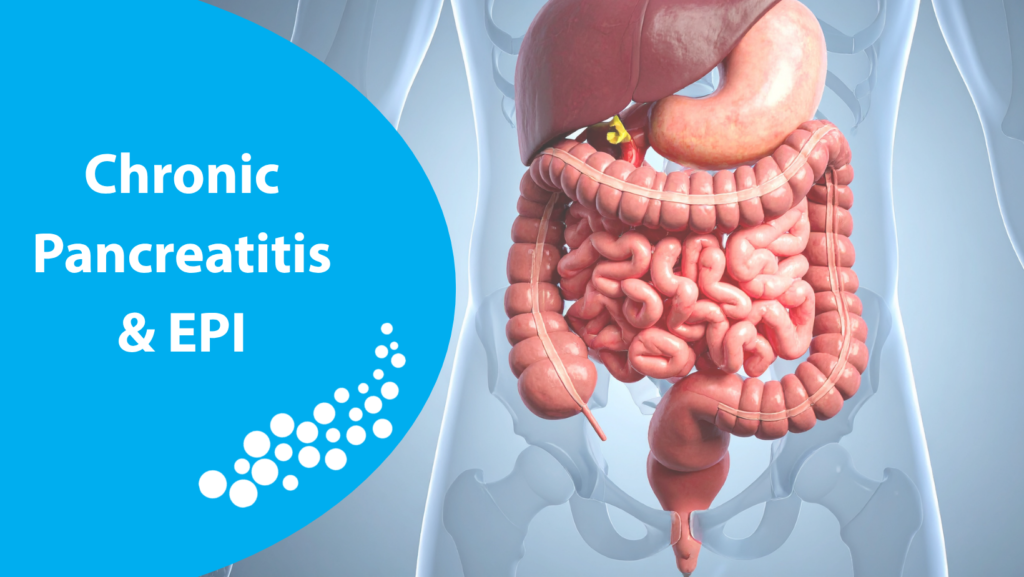
Understanding the Connection Between Chronic Pancreatitis and EPI
For many people living with Chronic Pancreatitis, digestive symptoms may become more noticeable over time.
Bloating, changes in stool, discomfort after eating, or difficulty maintaining weight are experiences that some individuals may recognize, but understanding why these symptoms happen can be less straightforward.
One possible explanation is a condition called Exocrine Pancreatic Insufficiency (EPI), which commonly occurs alongside Chronic Pancreatitis.
What Is Chronic Pancreatitis?
Chronic pancreatitis is a long-term inflammatory condition that affects the pancreas.
Over time, ongoing inflammation can lead to structural changes in the pancreas and may affect how it functions.
The pancreas plays several important roles in the body, including:
- Producing digestive enzymes
- Supporting nutrient absorption
- Helping break down fats, proteins, and carbohydrates
When pancreatic function changes, digestion may also be affected.
What Is EPI?
Exocrine Pancreatic Insufficiency occurs when the pancreas does not produce or deliver enough digestive enzymes for the body to properly break down food.
Without adequate enzyme production, nutrient absorption may become less efficient, particularly when digesting fats.
This can lead to a variety of digestive symptoms and nutritional challenges.
How Chronic Pancreatitis Can Lead to EPI
Over time, chronic inflammation may affect the pancreas’ ability to produce digestive enzymes effectively.
As pancreatic tissue changes, enzyme production and delivery may decline.
Research suggests that a significant percentage of people living with Chronic Pancreatitis may eventually develop EPI as the condition progresses.
Some studies estimate that up to 60–90% of individuals with Chronic Pancreatitis may develop EPI over time (StatPearls, NCBI).
Common Symptoms Associated with EPI
Symptoms can vary from person to person, but commonly reported experiences may include:
- Bloating or gas
- Loose or oily stools
- Difficulty digesting fatty foods
- Unintended weight changes
- Fatigue or low energy
- Feeling uncomfortable after meals
Because these symptoms can develop gradually, they are sometimes overlooked or attributed to general digestive discomfort.
Why Symptoms Are Often Missed
One reason EPI can go unrecognized is that many symptoms overlap with other digestive conditions.
In addition:
- Symptoms may fluctuate
- People may adapt to changes gradually
- Digestive issues can become part of a person’s “normal” routine over time
As a result, some individuals may not immediately connect these symptoms to pancreatic function or digestion.
Nutrition and Digestive Health
Nutrition can play an important role in digestive health, especially for individuals managing pancreatic conditions.
Because digestion and nutrient absorption may be affected, understanding nutrition considerations can help patients better recognize patterns and support discussions with their healthcare team.
This may include learning more about:
- Fat digestion
- Nutrient absorption
- Digestive enzyme function
- Meal planning considerations
Paying Attention to Patterns
Digestive symptoms are not always easy to interpret on their own.
However, noticing recurring patterns, particularly around meals, digestion, and energy levels may help provide useful context when discussing symptoms with a healthcare professional.
Understanding the relationship between Chronic Pancreatitis and EPI can be an important step in making sense of ongoing digestive challenges.
Exploring Additional Support
For some individuals living with Chronic Pancreatitis or Exocrine Pancreatic Insufficiency, additional educational and nutrition support resources may be available.
These resources may help patients better understand digestive health and nutrition considerations as part of their broader care journey.
Learn more about available support through My EPI Plan here.